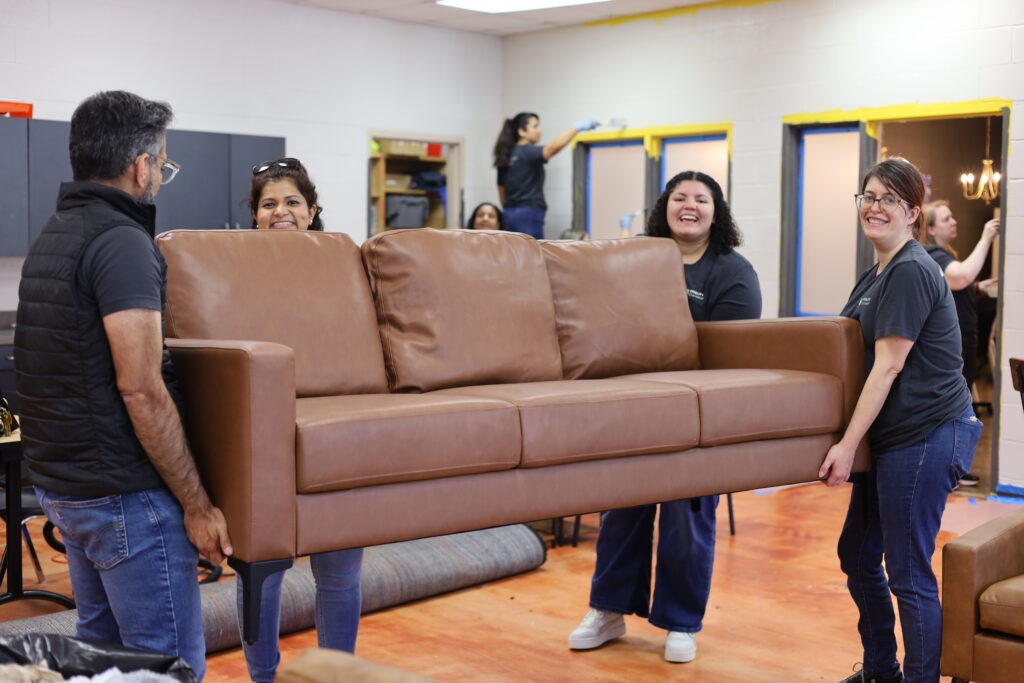
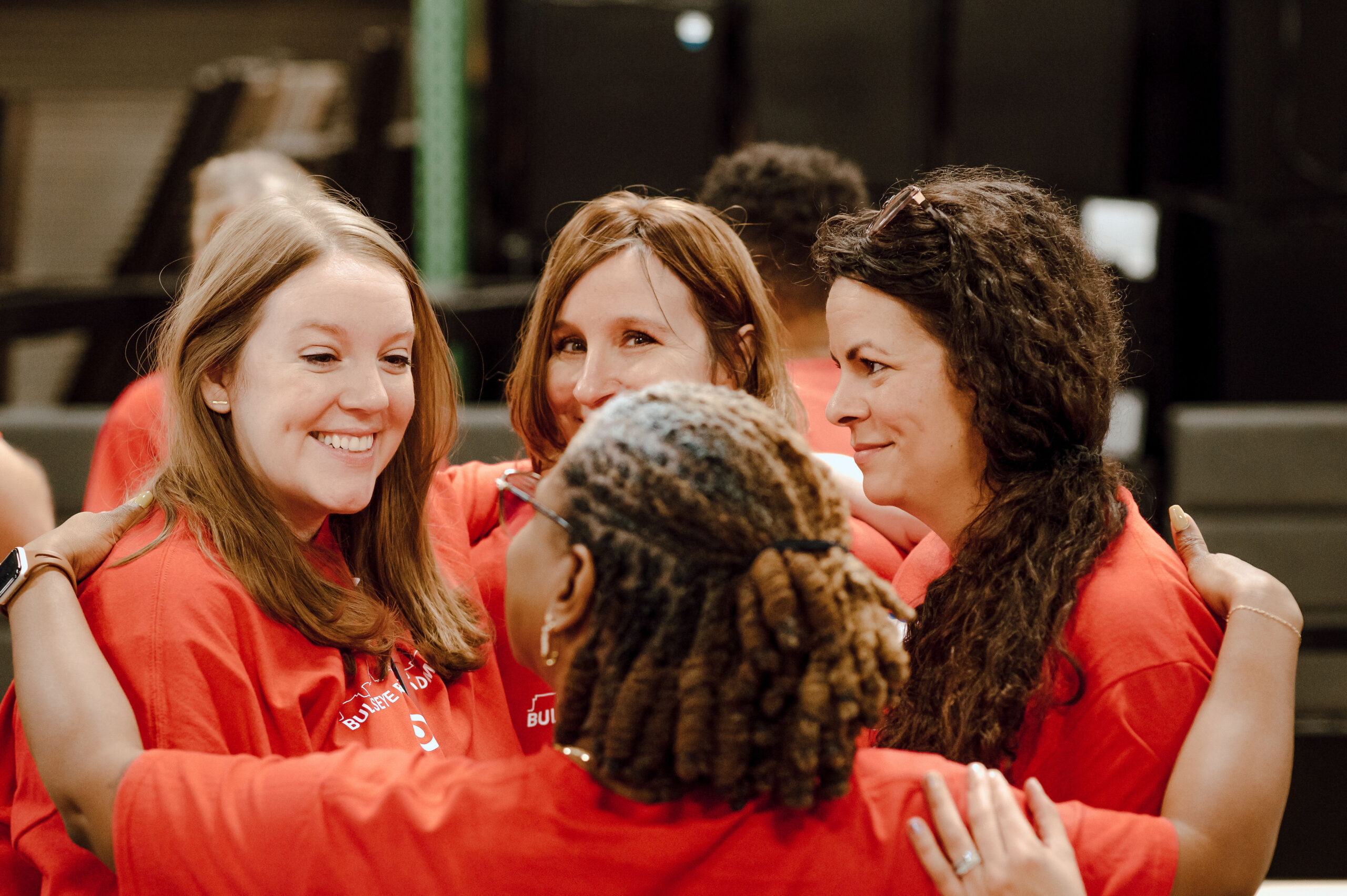
Across Northern Virginia, businesses are looking for ways to engage employees, strengthen culture, and contribute locally. A well-designed corporate Day of Service can do all three, while also supporting workforce development and strengthening the civic systems that help our community stay strong.
One reality is especially important to name upfront: volunteering is not free. Effective service requires planning, coordination, staff time, and resources. When businesses recognize that, service efforts become more meaningful for employees and genuinely helpful for nonprofit partners.
In a region that depends on a skilled, adaptable workforce and strong cross-sector relationships, a well-designed Day of Service can do more than create a feel-good moment. Shared projects help employees build teamwork and leadership skills, increase engagement and connection to company values, and gain exposure to community challenges that require collaboration and problem-solving. Workforce development in this context isn’t just about technical skills; it also includes empathy, systems thinking, and working effectively with others in unfamiliar settings.
From the nonprofit side, hosting volunteers involves much more than opening the doors. Karen Coon, Volunteer Fairfax’s Corporate Volunteer Services Manager, describes what it takes: “We need to identify projects that can realistically be completed in a single day, assign staff to coordinate and supervise, manage safety and onboarding, and ensure volunteers have what they need to succeed. Supplies, space, and logistics add up quickly, and there’s always work before and after the event to ensure a productive and safe service day”. These costs exist even when no invoice is issued. Understanding this helps business partners show up in ways that strengthen nonprofit missions rather than unintentionally straining limited capacity.
What Makes a Day of Service Successful
Start with listening: The most effective service days are built around priorities identified by nonprofit partners.
Choose the right projects: One-day activities work best when projects are clearly defined and suited to short-term engagement.
Support the full effort: Many strong service days pair volunteering with financial or in-kind support to cover supplies, staff time, or follow-up work.
Prepare employees in advance: Context about the organization and purpose of the work improves the experience for everyone involved.
Think beyond a single day: Ongoing engagement, whether repeat volunteering or longer-term partnerships, creates a deeper impact.
Volunteer Fairfax is positioned as part of the region’s civic infrastructure, helping connect business capacity with community needs in coordinated, sustainable ways. Volunteer Fairfax’s CEO Jennifer William captures the shared benefit: “Employees build skills and relationships. Nonprofits receive support that respects their capacity. The region benefits from stronger collaboration across sectors.” BusinessLink supports companies planning service by helping with project sourcing, logistics planning, supply budget management and procurement, on-site volunteer management, and post-event evaluation and impact reporting, as well as advanced referrals to matched nonprofits and public agencies. To explore options and learn more, visit VolunteerFairfax.org/businesslink/.